
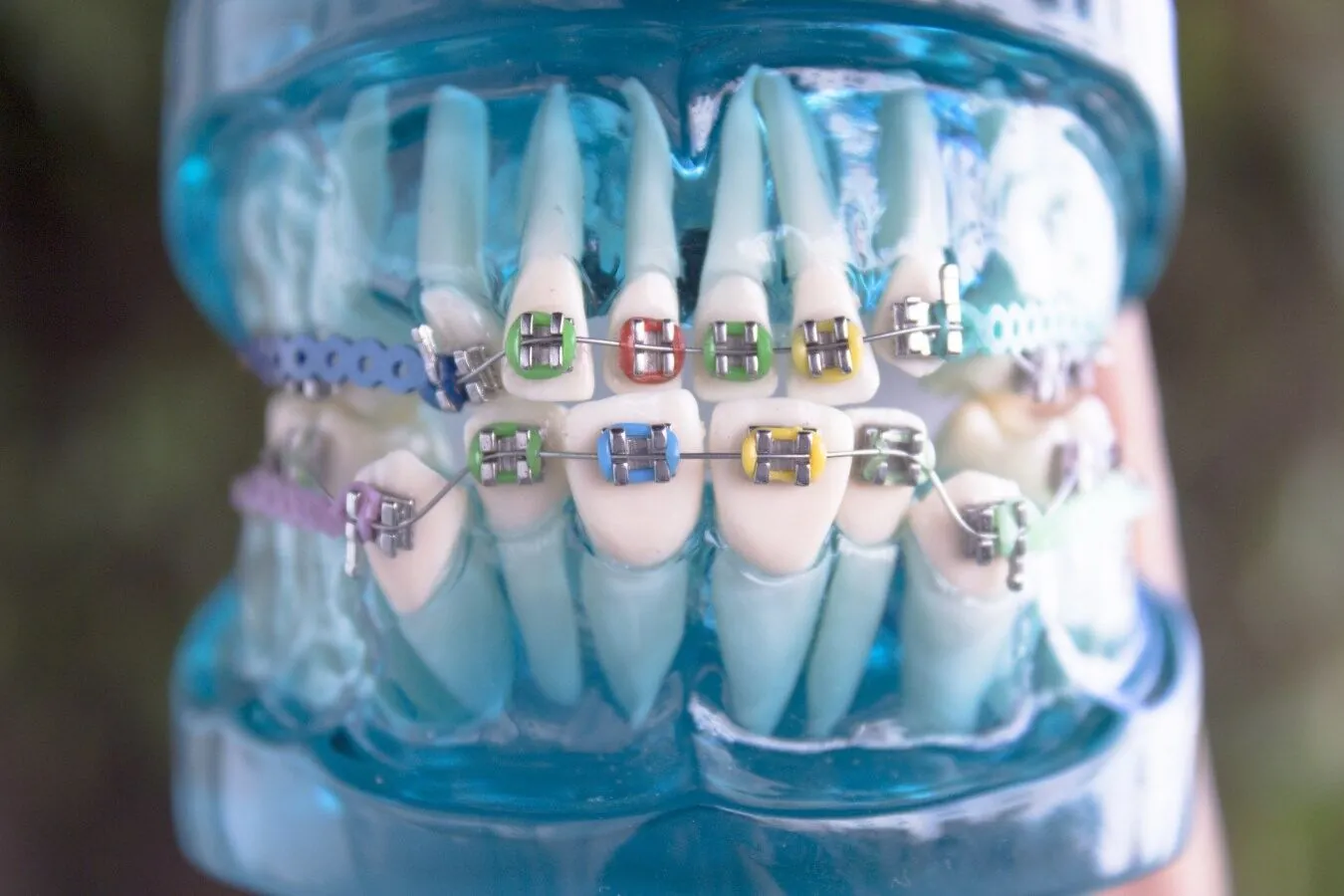
Modern braces options include traditional metal brackets, ceramic brackets, self-ligating systems, and clear aligners. Each type uses smaller profiles, improved materials, and more efficient mechanics than older systems. The right choice depends on your clinical needs, lifestyle, and treatment goals.
What Are Modern Braces and How Have They Evolved?
If you’re researching orthodontic treatment for yourself or your child, you’ve probably noticed how much the options have changed. Today’s braces look different, feel different, and work differently than the systems most adults remember from their own teenage years. Brackets are smaller and wires more efficient than what you might recall. For patients who want to skip brackets entirely, clear aligners can treat many alignment and bite concerns.
Doyle Orthodontics in Pleasant Hills, PA offers the full range of modern orthodontic systems, including traditional metal brackets, ceramic brackets, self-ligating systems, and clear aligners. Each is designed to move teeth with controlled, consistent pressure, but they differ in appearance, mechanics, and the types of cases they handle best. Patients today can choose from options like SureSmile Aligners and Angel Aligners alongside metal and ceramic bracket systems selected for clinical performance and patient comfort.
What really sets modern care apart is diagnostic technology. CBCT (Cone Beam Computed Tomography) imaging and 3D scanning give orthodontists a detailed, three-dimensional view of teeth, bone, and jaw structures. That level of diagnostic depth allows treatment planning with accuracy that simply wasn’t possible a generation ago. Every patient at the practice receives this imaging as standard, not as an upgrade or add-on.
The brackets themselves have changed too. Smaller, smoother, and engineered for more efficient tooth movement, they make the treatment experience more comfortable from day one. The difference is noticeable.
How Modern Braces Work: From Consultation to Final Results
It starts with imaging. During your initial consultation, the ABO Board-Certified treatment team captures detailed images using 3D scanning technology and CBCT imaging. These tools create a precise digital model of your teeth, jaw, and surrounding structures, and that model becomes the foundation of your customized treatment plan.
Choosing bracket-based care? The bonding visit is straightforward. Brackets are carefully positioned on each tooth, and an archwire connects them to begin guiding teeth toward their ideal positions. At Doyle Orthodontics, same-day starts are available for patients ready to begin right away.
Clear aligner patients receive their first set of custom-fabricated trays, each designed to make incremental adjustments over time. Whether you’re wearing brackets or aligners, the principle is the same: controlled, consistent pressure moves teeth gradually into proper alignment.
Self-ligating brackets work differently than traditional systems. Instead of elastic ties holding the wire in place, these brackets use a built-in slide mechanism. Less friction. That often allows teeth to move more freely and can reduce the number of progress evaluation visits needed.
Treatment timelines vary based on individual needs. Most patients wear braces or aligners for 12 to 24 months, though some cases require more or less time. Your ABO Board-Certified orthodontist uses periodic visits to monitor progress and make adjustments throughout the course of treatment.
Key Benefits of Choosing Modern Braces
Modern braces offer several distinct advantages over older orthodontic systems. Here are the primary benefits patients experience:
- Shorter active treatment timelines through advanced wire technology
- Greater comfort from smaller, smoother bracket profiles
- Discreet appearance with ceramic and clear aligner options
- Fewer required visits with self-ligating systems
- More predictable outcomes through digital treatment planning
- Precise diagnostics with CBCT imaging standard for every patient
Shorter Treatment Timelines
Advanced wire technology and self-ligating mechanisms often shorten the overall timeline compared to traditional systems. Self-ligating brackets reduce friction between the bracket and wire, which allows teeth to respond to force more efficiently. Digital planning also plays a role. When every stage of tooth movement is mapped in advance, fewer mid-course corrections are needed, which means fewer visits and, in many cases, a shorter active treatment period.
Why Are Today’s Braces More Comfortable?
Smaller bracket profiles and smoother edges mean less irritation to the lips and cheeks. Patients notice this right away. Ceramic brackets blend with natural tooth color, while clear aligners are nearly invisible when worn.
How Does Digital Planning Improve Precision?
Digital treatment planning, supported by 3D imaging and jaw-motion simulation, allows ABO Board-Certified orthodontists to anticipate results with a high degree of accuracy. Self-ligating brackets and aligner systems typically require less frequent adjustments, which fits more easily into busy schedules. These benefits apply across patient ages. Children, teenagers, and adults all experience the advantages of modern orthodontic care when treatment is planned and executed with clinical rigor.
Comparing Your Modern Braces Options: Metal vs. Ceramic vs. Self-Ligating vs. Aligners
Choosing the right orthodontic system depends on your clinical needs, lifestyle preferences, and treatment goals. Here’s how the main options compare:
| Option | Appearance | Best For | Key Considerations |
|---|---|---|---|
| Traditional Metal Braces | Most visible | Complex cases; families watching their budget | Highly effective across most orthodontic concerns and the most cost-effective choice |
| Ceramic Braces | Tooth-colored brackets | A discreet bracket option | Clinically similar to metal; brackets run slightly larger |
| Self-Ligating Brackets | Metal or ceramic versions available | Fewer visits preferred | Less friction can mean shorter treatment and more comfortable adjustments |
| SureSmile Aligners | Nearly invisible | Mild to moderate alignment needs | Digitally planned; removable for eating and cleaning |
| Angel Aligners | Nearly invisible | Patients wanting flexible protocols | Adaptable treatment plans for varied scheduling needs |
Traditional Metal Braces
Traditional metal braces remain the most versatile option. They handle complex tooth movements effectively and represent the most budget-friendly choice for many families.
Ceramic Braces
Ceramic braces use tooth-colored or clear brackets that blend with your smile. They work similarly to metal braces but appeal to patients who prefer a less noticeable appearance.
Self-Ligating Brackets
Self-ligating brackets eliminate the need for elastic ties. The slide mechanism reduces friction, which can translate to more comfortable adjustments and potentially shorter treatment duration.
SureSmile Aligners
SureSmile Aligners, available at Doyle Orthodontics, use digital planning to create a series of clear, removable trays that gradually shift teeth into position.
Angel Aligners
Angel Aligners offer flexible protocols adapted to different treatment needs, making them a strong option for patients with specific scheduling or lifestyle considerations.
What Affects the Cost of Braces?
The cost of modern braces in Pleasant Hills, PA depends on treatment type, case complexity, and duration. Metal braces are generally the most accessible option, while ceramic brackets and clear aligners may involve a higher investment due to material costs and manufacturing processes.
Case complexity directly influences cost as well. Patients with more significant alignment issues or bite concerns often require longer treatment times and more involved care. A 12-month case will generally cost less than one requiring 24 months of active care, so duration and complexity tend to go hand in hand.
Same-day consultations at Doyle Orthodontics in Pittsburgh help patients understand their options and receive cost estimates quickly. The team works with patients and their insurance providers to maximize out-of-network benefits, and in-house interest-free payment plans are structured individually for each family.
Early orthodontic intervention can reduce the complexity and cost of later treatment by addressing developing problems before they become more serious. Getting an evaluation at the right time helps prevent more expensive dental work down the road.
Who Is a Good Candidate for Modern Braces?
Good candidates for modern braces include children, teenagers, and adults with alignment or bite concerns such as crowding, spacing, overbites, or underbites. Treatment is not limited to one age group, and options exist for every stage of dental development.
Children may benefit from two-phase treatment, which addresses developing concerns at the most advantageous time in a child’s growth. Phase one focuses on guiding jaw development, while phase two refines alignment once permanent teeth are in place.
Teenagers often find that modern options like ceramic brackets or clear aligners fit their lifestyle while delivering strong results. Adults seeking orthodontic care have more discreet options than ever before, including clear aligners and ceramic brackets that allow treatment without the look of traditional metal braces.
Patients with temporomandibular joint disorders can receive integrated care. TMD/TMJ therapy is available alongside orthodontic treatment when jaw function is a factor. Transfer patients from other practices are also welcomed, with care transitions coordinated through a review of existing records so treatment continues without unnecessary delays.
A consultation with 3D imaging and a thorough clinical evaluation determines which option is best suited to your individual situation. Families across the Pittsburgh area trust our doctors to match the right system to each patient’s specific clinical needs and goals. An ABO Board-Certified orthodontist can help you sort through the options during a visit that includes full diagnostic imaging.
Frequently Asked Questions About Braces
How long does treatment with modern braces take?
Most patients complete treatment in 12 to 24 months, though individual timelines vary based on case complexity. At Doyle Orthodontics, your consultation includes a realistic estimate based on your specific needs and the treatment option you choose.
Are ceramic braces as effective as metal braces?
Ceramic brackets achieve the same clinical results as metal in most cases. The primary difference is appearance: ceramic brackets are tooth-colored, making them less noticeable. They’re a strong choice for patients who want effective treatment with a more discreet look.
Can I get braces if I have jaw pain or TMJ concerns?
Yes. Integrated TMD/TMJ therapy is available at Doyle Orthodontics in Pittsburgh, addressing jaw function concerns alongside orthodontic treatment when appropriate. The relationship between your bite and jaw joint is evaluated to develop a plan that considers both alignment and comfort.
Do you offer same-day braces consultations?
Same-day consultations and same-day starts are available at our Pleasant Hills, PA practice. If you’re ready to begin treatment, that can often be accommodated during your initial visit.
What is the difference between SureSmile and Angel Aligners?
Both are clear aligner systems that use removable trays to shift teeth gradually. SureSmile uses precise digital planning for each case, while Angel Aligners offer flexible protocols suited to different treatment needs. Your orthodontist at Doyle Orthodontics will recommend the system best matched to your clinical requirements and lifestyle.