
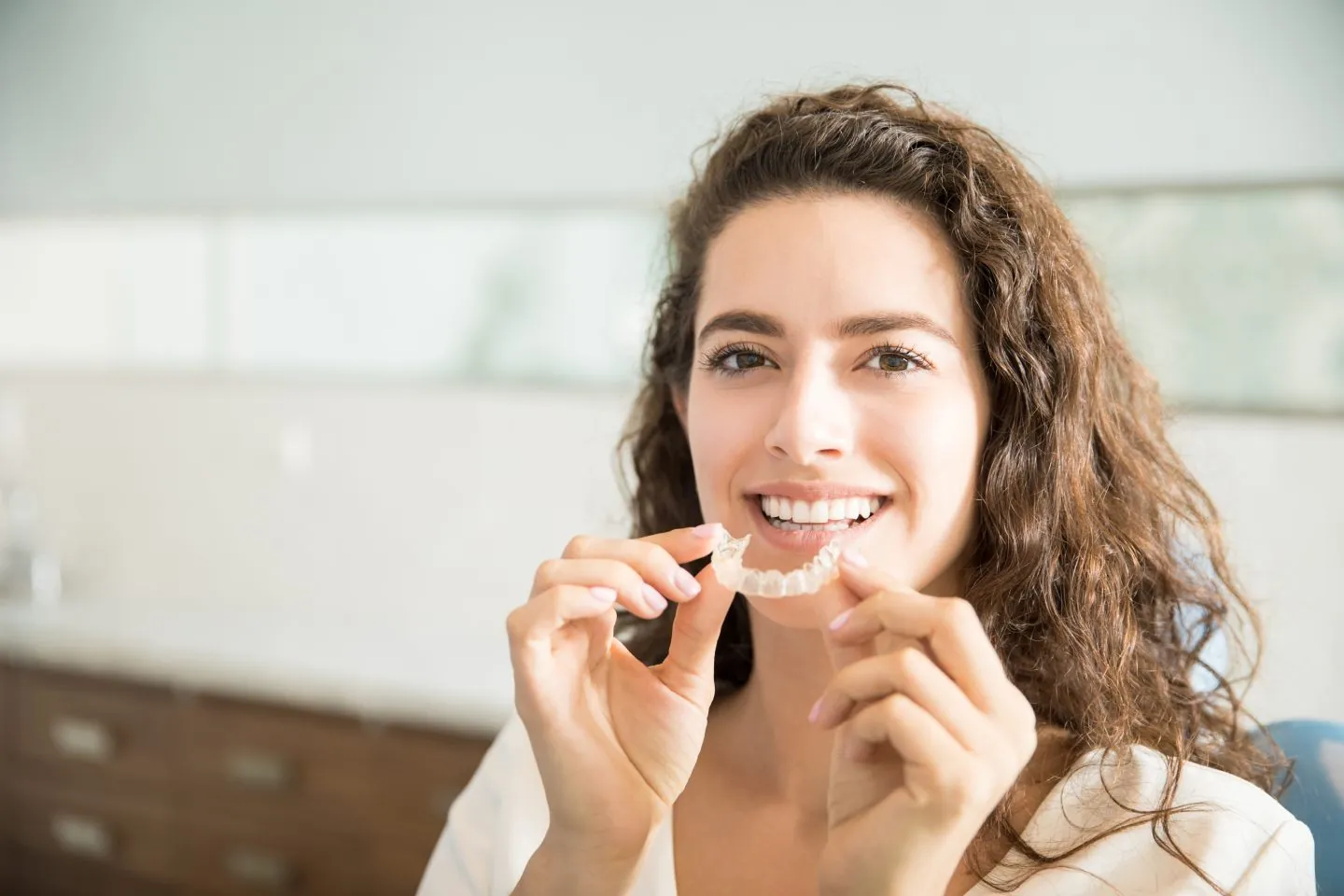
What Are Clear Aligners? A Modern Path to a Straighter Smile
Clear aligners are custom-made, removable plastic trays that gradually shift teeth into proper alignment without the visible metal brackets and wires of traditional braces. For patients seeking a discreet alternative to braces, clear aligners offer a nearly invisible approach to achieving a well-aligned smile. Since the first clear aligner systems gained FDA clearance in the late 1990s, the technology has matured considerably, and today’s systems deliver levels of precision that weren’t possible even a decade ago.
The doctors at Doyle Orthodontics prescribe SureSmile Aligners and Angel Aligners, two trusted systems backed by clinical research and proven outcomes. Each aligner is fabricated using advanced 3D scanning technology and CBCT imaging, which captures detailed three-dimensional views of your teeth, roots, and jaw structure. This diagnostic precision allows our board-certified orthodontists to map each stage of tooth movement down to fractions of a millimeter.
Clear aligners are FDA-cleared medical devices. They’re not a cosmetic shortcut or a mail-order solution. When prescribed by a board-certified orthodontist, aligners become part of a carefully planned treatment protocol that accounts for your unique dental anatomy, bite relationship, and treatment goals.
The trays themselves are made from smooth, BPA-free plastic that fits snugly over your teeth. Each set applies controlled pressure to specific teeth, guiding them incrementally toward their final positions. You’ll wear each set for one to two weeks before progressing to the next tray in your series.
What makes this treatment option particularly appealing is its subtlety. Most people won’t notice you’re undergoing orthodontic treatment. That discretion matters to working professionals, college students, and anyone who prefers to keep their treatment private.
Aligners aren’t right for every case, though. Complex malocclusions, significant jaw discrepancies, or severe rotations may require traditional braces or a combined approach. A thorough evaluation with an orthodontist is essential before determining your treatment path.
How Clear Aligners Work: From Consultation to Final Results
Understanding the clear aligner process helps you know what to expect at each stage. Treatment at Doyle Orthodontics follows a structured sequence designed for precision and predictability.
Your Initial Consultation
Your first visit includes a full examination and digital 3D scan of your teeth. No more messy putty impressions. The 3Shape scanner captures thousands of data points in minutes, creating a detailed digital model of your dental anatomy. Our doctors also use CBCT imaging as standard protocol, providing a complete picture of your teeth, roots, and supporting bone structure. This level of diagnostic detail is what separates specialist-led care from direct-to-consumer aligner companies that skip the clinical evaluation entirely.
Your Custom Treatment Plan
Using advanced software, our board-certified orthodontists map every stage of your tooth movement. This digital treatment plan shows exactly how your teeth will shift from their current positions to their final alignment. You can actually preview your projected results before treatment begins, which helps set realistic expectations from day one.
Receiving Your First Aligners
Once your custom trays are fabricated, you’ll receive your first sets of aligners along with detailed wearing instructions. Plan to wear your aligners 20 to 22 hours per day. They come out only for eating, drinking anything other than water, and brushing your teeth.
Switching Trays: What to Expect
Every one to two weeks, you’ll switch to your next set of aligners. Each new tray continues the gradual movement process, applying gentle pressure to guide teeth toward their target positions. Mild pressure when switching trays is normal. It’s actually a sign that the aligners are doing their job.
Office Visits During Treatment
You’ll return to Doyle Orthodontics periodically so our doctors can evaluate your progress. These check-ins confirm that treatment is advancing as planned and allow for any necessary adjustments. Compared to traditional braces, aligner patients often require fewer in-office visits, typically every 6 to 10 weeks.
How Long Does It Take to Complete Treatment?
Total treatment time varies based on case complexity. Most patients complete clear aligner treatment within 6 to 18 months. After active treatment, you’ll transition to retainers to maintain your results long-term. Without retention, teeth naturally drift back toward their original positions over time, which is why this final phase of care is just as important as the active phase.
Why Patients Choose Clear Aligners
The main benefits of clear aligners include near-invisibility, removability for eating and cleaning, improved comfort over metal braces, fewer office visits, and predictable digital treatment planning. Here’s what patients at Doyle Orthodontics consistently appreciate about this treatment option.
Nearly Invisible Appearance
Transparent plastic blends with your natural teeth. During conversations, meetings, or social events, most people won’t realize you’re wearing orthodontic appliances. You can pursue treatment without feeling self-conscious about your smile, which is a major factor for adult patients and working professionals who come to our practice.
Removable for Eating and Daily Life
Unlike fixed braces, clear aligners come out when you need them to. Enjoy your favorite foods without restrictions. No list of prohibited items, no worrying about breaking a bracket on a crunchy apple or sticky caramel. Remove your trays, eat normally, then brush and replace them.
Straightforward Oral Hygiene
With braces, flossing means threading under wires and working around brackets. With aligners, you just pop them out and brush normally. That simplicity makes a real difference over months of treatment. Patients tend to maintain better oral health during aligner treatment compared to those with fixed appliances, and the reduced risk of decalcification around brackets is a meaningful clinical advantage.
Comfortable Fit
Smooth plastic edges eliminate the wire pokes and bracket irritation common with traditional braces. You’ll feel pressure as teeth move, but the trays don’t cause the soft tissue abrasions that metal components sometimes do. Most patients adjust to the feel within a few days of starting treatment.
Fewer Office Visits
Aligner treatment typically requires fewer visits than traditional braces. Without wires to adjust or brackets to replace, your check-ins at Doyle Orthodontics focus on monitoring progress and distributing your next sets of trays. For patients balancing busy schedules, this reduced visit frequency is a practical benefit worth noting.
Preview Your Results Before You Start
Advanced software used by the board-certified orthodontists at Doyle Orthodontics generates a visual projection of your treatment outcome. Before committing to treatment, you can see a digital representation of your anticipated final results. Knowing what to expect builds confidence in the process and helps you make an informed decision.
Predictable, Controlled Tooth Movement
Each aligner is engineered to move specific teeth in specific directions by precise amounts. This controlled approach reduces guesswork and supports consistent, predictable outcomes. Every tray builds on the last, following the digital blueprint your orthodontist created during treatment planning. That level of control is one of the reasons aligner technology has earned a strong clinical track record for mild to moderate cases.
Clear Aligners vs. Traditional Braces: A Discreet Alternative to Braces, or Not the Right Fit?
At Doyle Orthodontics, our doctors help patients choose between clear aligners and traditional braces based on clinical needs, not personal preference alone. Both options achieve excellent orthodontic results, so the right choice depends on your specific situation, lifestyle preferences, and treatment goals. Here’s how they compare:
| Factor | Clear Aligners | Traditional Braces |
|---|---|---|
| Visibility | Nearly invisible; clear plastic | Visible brackets and wires (metal or ceramic options) |
| Removability | Removable for eating and cleaning | Fixed throughout treatment |
| Comfort | Smooth plastic; no sharp edges | Brackets and wires may irritate cheeks and lips |
| Dietary Restrictions | None; remove trays to eat | Avoid hard, sticky, and crunchy foods |
| Oral Hygiene | Normal brushing and flossing | Requires extra time and tools to clean around brackets |
| Treatment Scope | Best for mild to moderate cases | Effective for all complexity levels, including severe malocclusion |
| Compliance Requirement | Must wear 20-22 hours daily | Always working; no compliance concerns |
| Office Visits | Typically fewer visits | Regular adjustments every 4-8 weeks |
When Do Clear Aligners Work Best?
Aligners work well for patients with mild to moderate crowding, spacing issues, and certain bite concerns. They’re particularly suited for adults and teens who value discretion and are committed to wearing their trays consistently. If you can commit to 20-plus hours of daily wear, aligners can deliver outstanding outcomes.
When Are Traditional Braces the Better Choice?
Traditional braces remain the gold standard for complex cases. Severe rotations, significant bite discrepancies, and cases requiring precise vertical tooth movement often respond better to brackets and wires. Braces also eliminate compliance concerns since they’re always working. For some patients, that built-in consistency is a real advantage. You can learn more about the full range of options on our types of braces page.
How Do Our Doctors Decide What to Recommend?
The orthodontists at Doyle Orthodontics evaluate each patient individually. During your consultation, they’ll assess your specific orthodontic needs and recommend the treatment approach most likely to achieve outstanding outcomes. Sometimes that’s aligners. Sometimes it’s braces. Occasionally, a combination works best.
The goal isn’t to sell you on one option. It’s to identify the treatment that serves your clinical needs and fits your life. No two cases are the same, and our doctors treat the recommendation process accordingly.
How Much Do Clear Aligners Cost?
The cost of clear aligner treatment varies based on case complexity, treatment duration, and whether refinement trays are needed. At Doyle Orthodontics, costs are determined after a full evaluation so that your estimate reflects your actual clinical needs rather than a generic price range. Several factors influence what you can expect to invest in your care.
- Case complexity: More severe misalignment requires additional trays and longer treatment, increasing cost
- Treatment duration: Shorter cases with fewer aligners generally cost less than extended treatment plans
- Number of refinement trays: Some cases need additional aligners to achieve optimal results
- Retention needs: Post-treatment retainers are essential and may be included or priced separately
What Does Insurance Typically Cover?
Many dental insurance plans cover clear aligners the same way they cover traditional braces. While Doyle Orthodontics operates on a fee-for-service basis and is not in-network with insurance carriers, our team works with patients to maximize out-of-network benefits. We’ll help you understand your coverage and submit claims on your behalf.
What Payment Options Are Available?
Orthodontic treatment is a real investment in your oral health, and our practice is committed to making that investment accessible. To support patients and families, Doyle Orthodontics offers:
- In-house interest-free payment plans structured individually per patient
- Individualized down payment arrangements
- CareCredit third-party financing for those who prefer extended terms
How Do You Get a Personalized Estimate?
Every case is different. The only way to know your actual treatment cost is through a consultation where our board-certified orthodontists can evaluate your specific needs. This visit includes a full examination, digital scanning, and a detailed discussion of your treatment options and associated fees.
There’s no obligation. You’ll leave with the information you need to make an informed decision.
Are You a Candidate for Clear Aligners?
Not every patient is a good fit for aligners, and determining candidacy requires a thorough clinical evaluation. At Doyle Orthodontics, our doctors take this step seriously because recommending the wrong treatment wastes your time and money.
Ideal Candidates Typically Have:
- Mild to moderate crowding or spacing
- Minor bite irregularities (overbite, underbite, crossbite)
- Teeth that need alignment correction without significant vertical movement
- Commitment to wearing aligners 20-22 hours daily
- Good oral health with no active decay or gum disease
Age Considerations
Both teens and adults can benefit from clear aligner treatment. Our doctors treat patients across all age groups, adjusting recommendations to each individual’s dental development and lifestyle needs. For younger patients, compliance becomes a key consideration since treatment success depends on consistent wear. Adults considering orthodontic treatment for the first time, or returning after previous treatment, may also want to explore our orthodontics for adults page for more information.
When Aligners May Not Be the Best Choice
Certain orthodontic conditions respond better to traditional braces:
- Severe crowding requiring significant tooth movement
- Complex rotations that need precise mechanical control
- Significant jaw discrepancies that may require orthognathic surgery coordination
- Cases requiring vertical tooth repositioning, such as open bites or deep impactions
- Patients who may struggle with compliance
The Evaluation Process
At your consultation, our board-certified orthodontists will conduct a full examination using 3D scanning and CBCT imaging. This diagnostic information reveals the complete picture of your orthodontic needs, including factors that aren’t visible during a standard dental exam.
Based on this evaluation, our orthodontists will discuss whether clear aligners can achieve the level of correction your case requires. If aligners aren’t the optimal choice, they’ll explain why and present alternative approaches. The recommendation is always driven by what will produce the best clinical outcome for you.
Frequently Asked Questions About Clear Aligners
Patients at Doyle Orthodontics frequently ask these questions about clear aligners.
Do clear aligners hurt?
Most patients describe mild discomfort rather than pain. When you switch to a new set of trays, you’ll likely feel some pressure or tightness. That sensation is normal and typically fades within a day or two. Over-the-counter pain relievers can help if needed, though many patients don’t require them.
How long does clear aligner treatment take?
Most patients finish within 6 to 18 months, depending on case complexity. Mild spacing or crowding cases may wrap up closer to the shorter end, while more involved corrections take longer.
During your consultation, your orthodontist will provide a projected timeline based on your specific treatment plan. Cases involving bite correction in addition to alignment tend to fall on the longer end of that range.
Can I eat and drink with aligners in?
Remove your aligners before eating any food. Water is fine to drink while wearing them. Remove them for coffee, tea, wine, or any colored or sugary beverages, as these can stain the plastic or promote decay.
Are clear aligners as effective as braces?
For appropriate cases, yes. Clear aligners achieve results comparable to traditional braces. According to the American Association of Orthodontists, clear aligners are effective for treating mild to moderate orthodontic concerns. The key is proper case selection, which is why a thorough evaluation by a board-certified orthodontist matters.
How often do I need to visit the practice during treatment?
Aligner patients typically visit less frequently than those with traditional braces. You’ll return periodically for progress checks, usually every 6 to 10 weeks depending on your treatment plan. These visits are generally brief.
What happens after I finish wearing aligners?
Retention is essential. Once your teeth reach their final positions, you’ll transition to retainers that maintain your results. Retainers aren’t optional. They’re the final step of treatment, and they last as long as you want your results to last. Our doctors will discuss your retention protocol and make sure you understand how to keep your results stable long-term.
If you’re considering clear aligners, a professional evaluation is the right place to start. The orthodontists at Doyle Orthodontics, trusted by Pittsburgh families for generations, use CBCT imaging as standard protocol and offer proven aligner systems like SureSmile and Angel Aligners. A consultation includes a full examination, digital scanning, and a detailed discussion of your treatment options, so you can make the decision that’s right for you.